

Table of Content
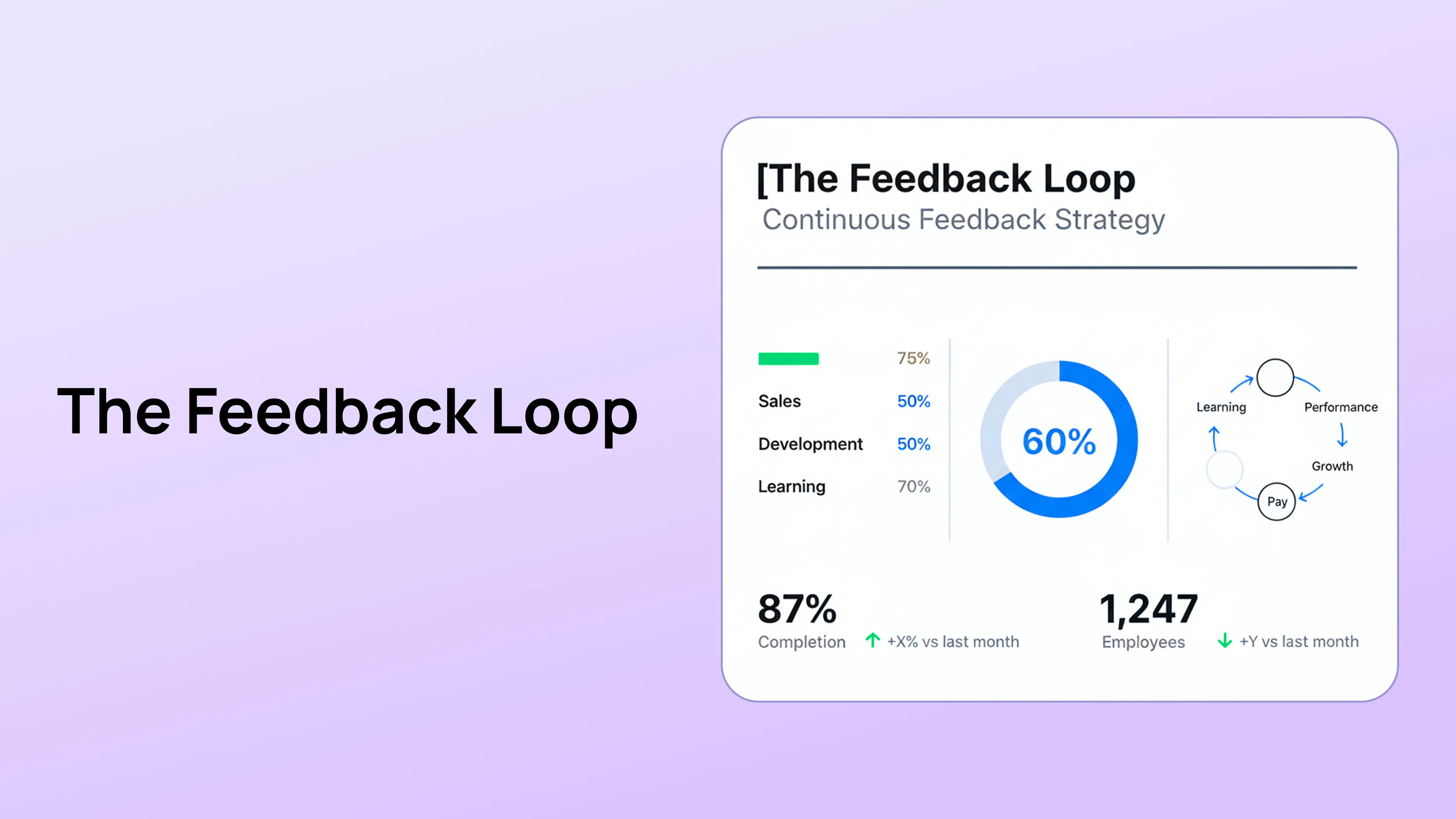
The Feedback Loop: Why Annual Reviews Kill Velocity (And How to Switch to Continuous Coaching)
Speed is the currency of modern business. You ship code weekly. You close deals monthly. Yet, you only review performance annually.
The Annual Review is a relic of the Industrial Age. It assumes that work is static and goals are fixed for 12 months. In the AI era, a goal set in January is obsolete by March.
If you wait until December to tell an employee they are off track, you have wasted 11 months of salary and opportunity.
In the PerformSpark Strategy, we replace "Waterfall Reviews" with the Continuous Feedback Loop.
This guide explains why the annual review is mathematically flawed and how to build a high-velocity coaching culture that aligns with your agile workflow.
Why is the Annual Review mathematically flawed?
The failure of the annual review is not cultural. It is structural. It fails due to two specific data errors: Latency and Bias.
What is the Data Latency Error?
- The Time Gap: Data Latency is the delay between an event occurring and the feedback being delivered.
- The Engineering Failure:
- An engineer ships buggy code in February.
- The manager notes it but waits for the "official cycle."
- The feedback is delivered in December.
- The engineer has been repeating the same mistake for 10 months. The behavior is now a habit that is hard to break.
- The Financial Cost: You paid for 10 months of sub-optimal performance because your feedback loop was too slow.
What is Recency Bias?
- The Memory Flaw: Humans have a tendency to remember only the last 4 weeks of activity.
- The Fairness Issue:
- The Hero: An employee does nothing for 11 months but pulls an all-nighter in November. They get a "High Performer" rating.
- The Victim: An employee crushes it for 11 months but makes one mistake in November. They get a "Meets Expectations" rating.
- The Data Fix: You need a system that captures Weekly Check-ins to create an objective record of the entire year.
What is the Continuous Feedback Loop?
Continuous Feedback is not about doing 52 annual reviews a year. It is about micro-interactions that mirror the Agile development cycle.
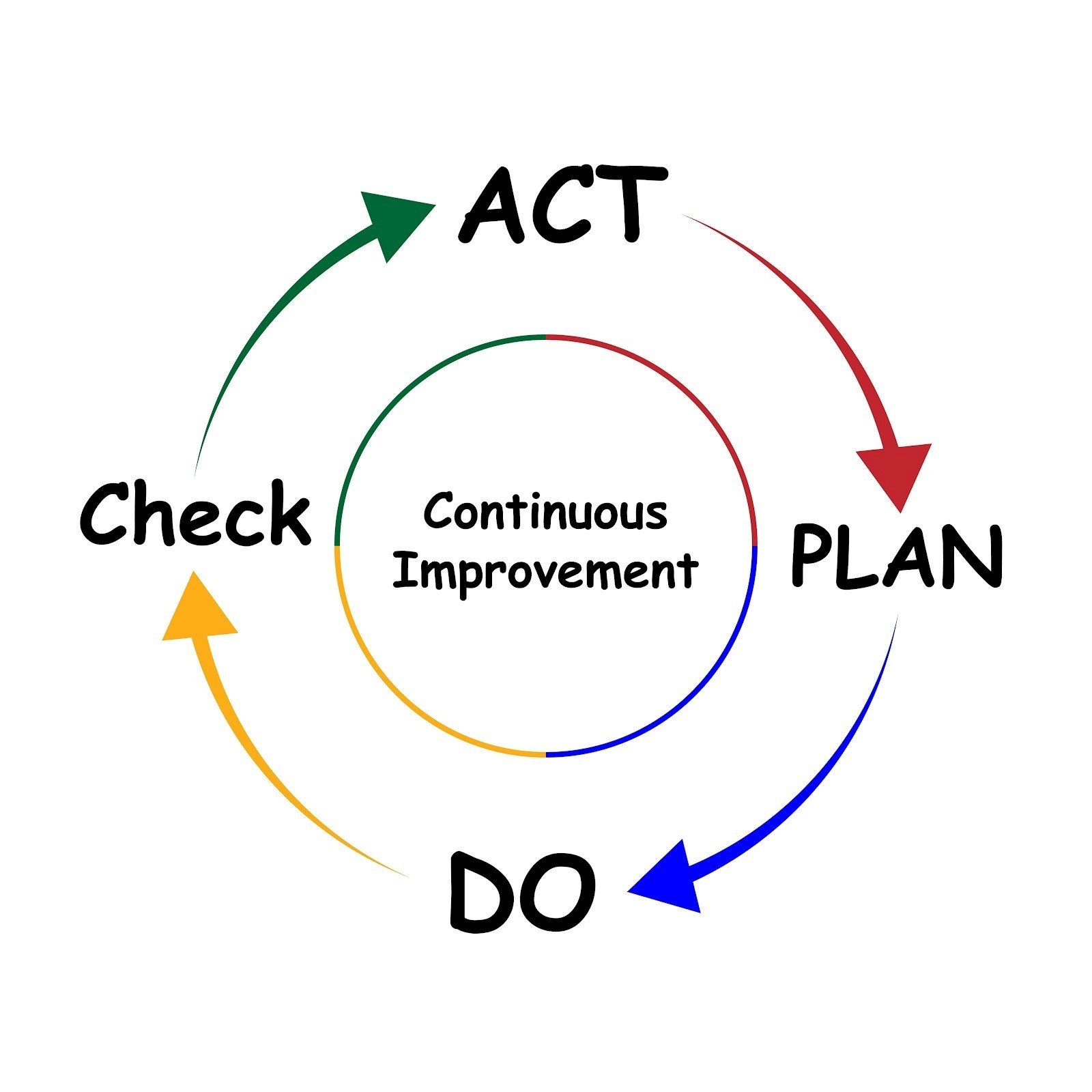
The 4-Step Agile Loop
- Set Micro-Goals: Define what needs to be done this week via Goal Management.
- Execute: The employee does the work.
- Measure: The manager reviews the output immediately (Code Review, Sales Call Listen).
- Coach: The manager provides a 2-minute course correction via the Nudge Engine.
The Business Impact
- The employee improves during the project, not after it fails.
- Trust increases because feedback feels like "Help," not "Judgment."
Comparison: Waterfall HR vs. Agile Performance
To rank for "modern performance management" queries, use this framework to audit your current process.
How to switch to Continuous Feedback
You cannot flip a switch overnight. You must migrate in stages to avoid overwhelming your managers.
Phase 1: The "Check-in" Habit (Months 1-3)
- Build the Muscle: Launch Weekly Check-ins with only 3 questions.
- Q1: What did you focus on last week?
- Q2: What are you focusing on this week?
- Q3: Where are you blocked?
- The Golden Rule: No feedback on personality. Only feedback on blockers.
Phase 2: The "Feedback" Habit (Months 3-6)
- Introduce Coaching: Train managers on Psychological Safety.
- Public vs Private: Encourage "Praise in Public, Correct in Private."
- Scripting: Use our Feedback Scripts to help managers find the right words.
Phase 3: The "Review" Habit (Month 6+)
- Summary Mode: Make the review a confirmation meeting, not a surprise.
- The Automation: When the formal review cycle arrives, use TrAI Smart Summaries to aggregate the last 24 weeks of check-ins.
- The Result: The review becomes a 15-minute conversation rather than a 1-hour debate.
How does TrAI automate the feedback loop?
The biggest objection from managers is time. "I don't have time to write feedback every week." TrAI solves this by removing the friction.
The Context Engine
- The Memory Aid: Managers forget what happened last Tuesday. TrAI scans Jira, Slack, and Salesforce activity to jog their memory.
- The Prompt: “Hey Manager, Sarah closed 3 deals this week. Would you like to send her a 'High Five'?”
- The Result: Feedback happens in 1 click.
The Tone Coach
- The Empathy Check: Managers write harsh feedback when they are stressed. TrAI acts as a spell-checker for empathy.
- The Correction: “You wrote: 'Your code was sloppy.' TrAI suggests: 'The code had 3 bugs which caused a delay. Let's review the QA process.'”
Conclusion
Latency Kills. Waiting 12 months to give feedback destroys ROI. Agile Wins. Treat performance like software development and iterate weekly. TrAI Enables. Use AI to remove the administrative burden of continuous coaching.Stop asking "Did they hit the goal last year?" Start asking "Are they moving fast enough this week?" When you fix the feedback loop, you fix the velocity of the entire company.
Book a Consultative Demo and switch to a Continuous Feedback model in under 14 days.
The Feedback Loop: Why Annual Reviews Kill Velocity (And How to Switch to Continuous Coaching)
Speed is the currency of modern business. You ship code weekly. You close deals monthly. Yet, you only review performance annually.
The Annual Review is a relic of the Industrial Age. It assumes that work is static and goals are fixed for 12 months. In the AI era, a goal set in January is obsolete by March.
If you wait until December to tell an employee they are off track, you have wasted 11 months of salary and opportunity.
In the PerformSpark Strategy, we replace "Waterfall Reviews" with the Continuous Feedback Loop.
This guide explains why the annual review is mathematically flawed and how to build a high-velocity coaching culture that aligns with your agile workflow.
Why is the Annual Review mathematically flawed?
The failure of the annual review is not cultural. It is structural. It fails due to two specific data errors: Latency and Bias.
What is the Data Latency Error?
- The Time Gap: Data Latency is the delay between an event occurring and the feedback being delivered.
- The Engineering Failure:
- An engineer ships buggy code in February.
- The manager notes it but waits for the "official cycle."
- The feedback is delivered in December.
- The engineer has been repeating the same mistake for 10 months. The behavior is now a habit that is hard to break.
- The Financial Cost: You paid for 10 months of sub-optimal performance because your feedback loop was too slow.
What is Recency Bias?
- The Memory Flaw: Humans have a tendency to remember only the last 4 weeks of activity.
- The Fairness Issue:
- The Hero: An employee does nothing for 11 months but pulls an all-nighter in November. They get a "High Performer" rating.
- The Victim: An employee crushes it for 11 months but makes one mistake in November. They get a "Meets Expectations" rating.
- The Data Fix: You need a system that captures Weekly Check-ins to create an objective record of the entire year.
What is the Continuous Feedback Loop?
Continuous Feedback is not about doing 52 annual reviews a year. It is about micro-interactions that mirror the Agile development cycle.
The 4-Step Agile Loop
- Set Micro-Goals: Define what needs to be done this week via Goal Management.
- Execute: The employee does the work.
- Measure: The manager reviews the output immediately (Code Review, Sales Call Listen).
- Coach: The manager provides a 2-minute course correction via the Nudge Engine.
The Business Impact
- The employee improves during the project, not after it fails.
- Trust increases because feedback feels like "Help," not "Judgment."
Comparison: Waterfall HR vs. Agile Performance
To rank for "modern performance management" queries, use this framework to audit your current process.
How to switch to Continuous Feedback
You cannot flip a switch overnight. You must migrate in stages to avoid overwhelming your managers.
Phase 1: The "Check-in" Habit (Months 1-3)
- Build the Muscle: Launch Weekly Check-ins with only 3 questions.
- Q1: What did you focus on last week?
- Q2: What are you focusing on this week?
- Q3: Where are you blocked?
- The Golden Rule: No feedback on personality. Only feedback on blockers.
Phase 2: The "Feedback" Habit (Months 3-6)
- Introduce Coaching: Train managers on Psychological Safety.
- Public vs Private: Encourage "Praise in Public, Correct in Private."
- Scripting: Use our Feedback Scripts to help managers find the right words.
Phase 3: The "Review" Habit (Month 6+)
- Summary Mode: Make the review a confirmation meeting, not a surprise.
- The Automation: When the formal review cycle arrives, use TrAI Smart Summaries to aggregate the last 24 weeks of check-ins.
- The Result: The review becomes a 15-minute conversation rather than a 1-hour debate.
How does TrAI automate the feedback loop?
The biggest objection from managers is time. "I don't have time to write feedback every week." TrAI solves this by removing the friction.
The Context Engine
- The Memory Aid: Managers forget what happened last Tuesday. TrAI scans Jira, Slack, and Salesforce activity to jog their memory.
- The Prompt: “Hey Manager, Sarah closed 3 deals this week. Would you like to send her a 'High Five'?”
- The Result: Feedback happens in 1 click.
The Tone Coach
- The Empathy Check: Managers write harsh feedback when they are stressed. TrAI acts as a spell-checker for empathy.
- The Correction: “You wrote: 'Your code was sloppy.' TrAI suggests: 'The code had 3 bugs which caused a delay. Let's review the QA process.'”
Conclusion
Latency Kills. Waiting 12 months to give feedback destroys ROI. Agile Wins. Treat performance like software development and iterate weekly. TrAI Enables. Use AI to remove the administrative burden of continuous coaching.Stop asking "Did they hit the goal last year?" Start asking "Are they moving fast enough this week?" When you fix the feedback loop, you fix the velocity of the entire company.
Book a Consultative Demo and switch to a Continuous Feedback model in under 14 days.




.svg)

.svg)
.svg)